The Ultimate Guide to Treating Private Well Water in the US
If you live in the US and rely on a private well, you are one of over 40 million people doing the same. Well water can be fresh, free, and delicious. However, unlike municipal city water, private well water is not regulated by the EPA.
This means the responsibility of water testing and treatment falls entirely on the homeowner. If you notice strange tastes, stains, or just want peace of mind, here is your ultimate guide to US well water problems and the best treatment solutions.
The 4 Most Common US Well Water Problems
1. Iron and Manganese (The Stain Makers)
Extremely common in the Northeast and Midwest. Clear water iron turns red once it hits oxygen, staining sinks, toilets, and laundry. Manganese leaves black stains and can cause neurological issues at high levels.
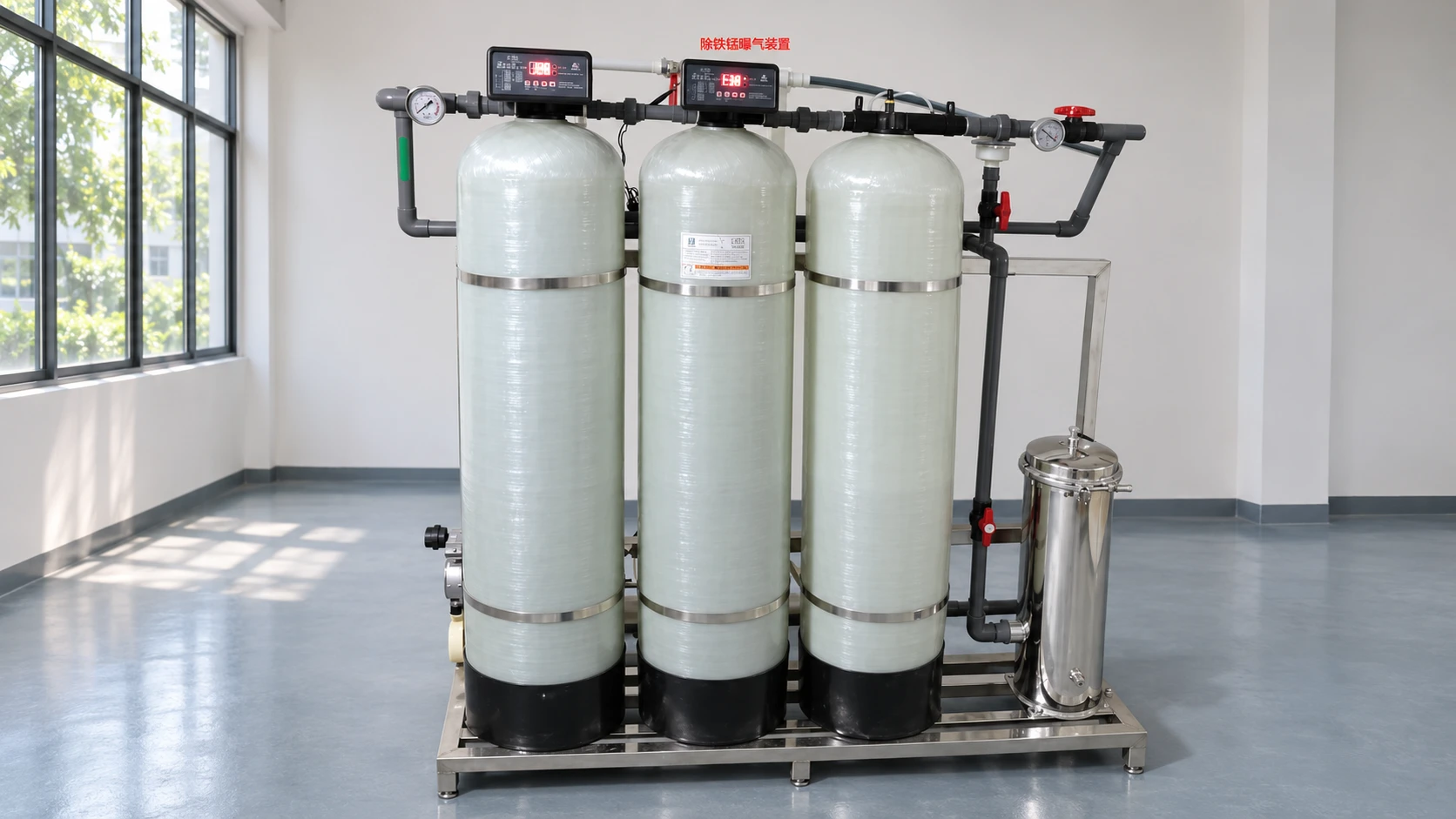
The Fix: Air Injection Oxidizing (AIO) filters or Manganese Greensand filters.
2. Hard Water (The Appliance Killer)
Over 85% of US homes have hard water. If you have a well, hardness levels can be extreme (often above 10-20 grains per gallon). Hard water destroys water heaters, ruins appliances, and dries out skin.
The Fix: A properly sized Ion Exchange Water Softener.
3. Bacteria and E. coli (The Invisible Threat)
Spring runoff or failing septic systems can introduce bacteria into your well. You cannot see, taste, or smell E. coli.
The Fix: UV Sterilizers combined with sediment pre-filtration to ensure the water is clear before it hits the UV lamp.
4. Arsenic and Heavy Metals
Arsenic is naturally occurring in certain US rock formations (especially in parts of New England and the West). It is highly toxic and odorless.
The Fix: Specialized anion exchange resins or a high-rejection Reverse Osmosis (RO) system.
How to Build the Right Treatment System
Do not buy random filters from Amazon. In the US, well water treatment requires a multi-stage "treatment train" approach.
Step 1: Test Your Water
Always use a certified lab (like the EPA or a state-certified lab) to test for TDS, hardness, iron, bacteria, and arsenic.
Step 2: Pre-treatment (The Foundation)
If you have sand or sediment, install a Backwashing Multimedia Filter.
If you have iron and manganese, install an AIO Oxidizing Filter.
Step 3: Softening
After the iron is removed, run the water through a Water Softener to remove calcium and magnesium.
Step 4: Point-of-Use (Drinking Water)
Install an Under-Sink Reverse Osmosis (RO) System for your kitchen. Even if your whole house is treated, RO is the only way to guarantee perfectly pure drinking water and remove trace contaminants.
❓ Frequently Asked Questions (FAQ)
Q: How often should I test my private well water in the US?
A: The CDC recommends testing for bacteria, nitrates, and pH every year. Test for iron, manganese, and arsenic every 3-5 years or if you notice changes in taste or color.
Q: Can I use a water softener if I have high iron?
A: No. If iron is above 0.3 mg/L, it will foul and destroy the softener resin. You must install an iron filter before the softener.
Q: Do I need a whole-house RO system?
A: Whole-house RO is usually too expensive and restrictive for flow rates. Instead, use a whole-house filter and softener for general use, and install a Point-of-Use (POU) RO system under the kitchen sink for drinking and cooking.
Get Factory-Direct Water Treatment Equipment
Whether you are a homeowner needing a complete system or a US distributor looking for a reliable OEM manufacturer, QJ Water Treat is here to help. With 15+ years of experience, we manufacture high-quality iron filters, softeners, and RO systems designed specifically for tough US well water.
👉 Contact our engineering team today to discuss your well water report and custom system design!