
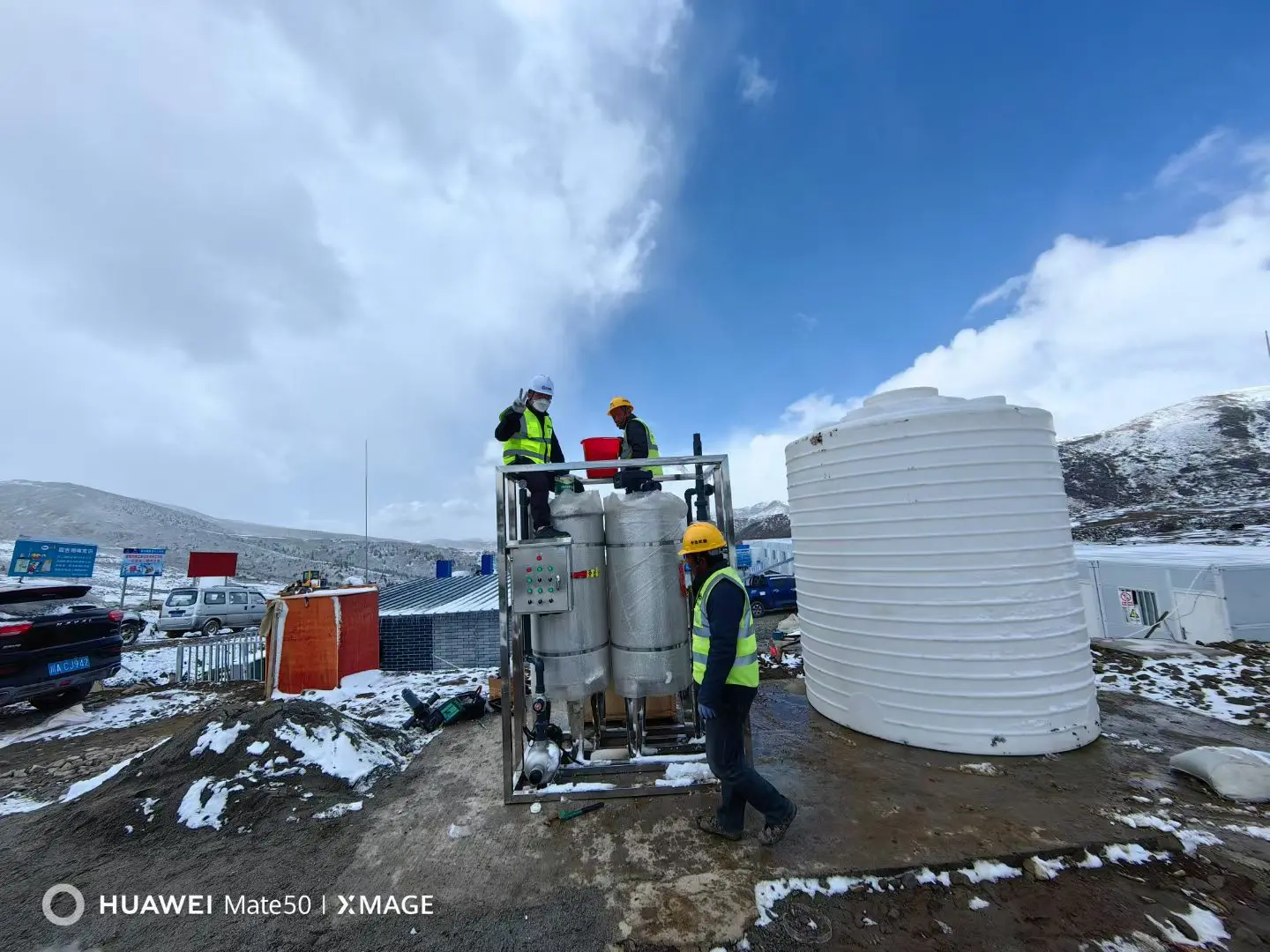
As winter approaches, industrial water treatment plants in cold climates face a critical threat: freezing temperatures.
When water freezes inside an RO (Reverse Osmosis) system, it expands, which can permanently rupture the membrane elements, crack the pressure vessels, and burst the stainless steel piping. Unlike standard water pipes, an RO system is highly sensitive to temperature drops.
To ensure continuous operation and protect your capital investment, QJ Water Treat engineers recommend following this essential winter maintenance checklist.
1. Freeze Protection: Insulation and Heat Tracing
The most crucial step is preventing the water inside the system from freezing in the first place.
Insulate Pipes and Vessels: Ensure all feed water, permeate, and concentrate pipes are heavily insulated. Use closed-cell foam or fiberglass wraps.
Electric Heat Tracing: For extreme climates (like Central Asia or Russia), install electric heat tracing cables along the pipes and valves.
Enclosure/Container Heating: If the system is skid-mounted outdoors, ensure it is housed in an insulated enclosure equipped with an industrial space heater to maintain an ambient temperature above 5°C (41°F).
2. Adjusting for Low Water Temperature (Operation Parameters)
Cold water is denser and more viscous. If the feed water temperature drops from 25°C to 5°C, the viscosity increases significantly.
The 3% Rule: As a general engineering rule, for every 1°C drop in feed water temperature, the permeate flow of the RO system drops by about 3%.
Action: You must slightly increase the feed pressure to maintain the same water production. Monitor the parameters closely to avoid over-pressurizing the membranes.
3. Safe Shutdown Procedures (Short-term vs. Long-term)
If the RO plant will not be running continuously during the winter, proper shutdown is vital.
Short-term Shutdown (Less than 48 hours): Perform a low-pressure flush with permeate water to remove concentrated salts. Keep the system filled with water, ensuring heaters are running. Flush the system every 24 hours to prevent bacterial growth and freezing.
Long-term Shutdown (More than 48 hours): Never leave water sitting in the system. Drain all piping and pressure vessels. Use compressed air to blow out residual water. For maximum protection, pump a food-grade anti-freeze solution (like propylene glycol) into the system to protect the membranes and pumps.
4. Membrane Storage and Handling
If you need to replace membranes during the winter, handle them with extreme care. RO membranes can be damaged if they freeze. Do not store spare membrane elements in unheated warehouses where temperatures drop below 0°C (32°F).
❓ Frequently Asked Questions (FAQ)
Q: At what temperature will an RO system freeze?
A: Water freezes at 0°C (32°F). However, the concentrated brine and impurities in the feed water might lower the freezing point slightly. As a rule of thumb, always keep the RO system environment strictly above 5°C.
Q: Can I use standard automotive antifreeze for my RO system?
A: No. Standard automotive antifreeze (ethylene glycol) is highly toxic and will permanently destroy the RO membranes. Always use food-grade propylene glycol or specialized membrane preservation chemicals.
Q: How do I protect my RO system if the power goes out?
A: If the power (and thus the heaters) goes out, immediately drain the system using the pressure from the feed pump or compressed air to prevent water from freezing inside the vessels.
Need a Winter-Ready Water Treatment System?
At QJ Water Treat, we specialize in manufacturing RO systems designed for the harshest climates. From custom skid layouts with full freeze protection to remote commissioning, we ensure your plant operates flawlessly at -20°C or colder.
👉 Contact our engineering team today to discuss your cold-climate water treatment project!