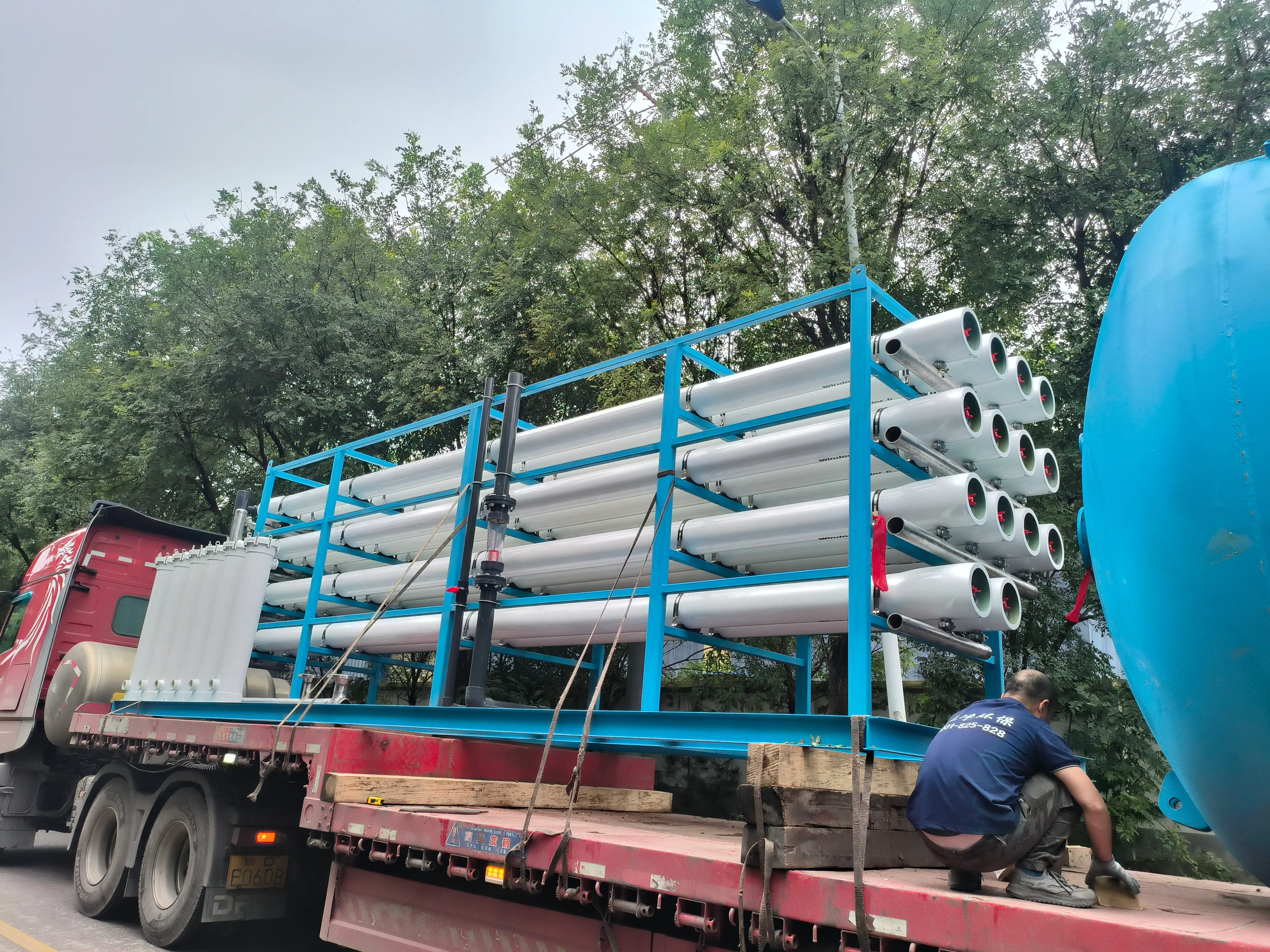
Reverse Osmosis (RO) systems are the backbone of industrial water treatment. However, an RO plant is only as reliable as its maintenance routine. Neglecting daily upkeep can lead to rapid membrane fouling, higher energy consumption, frequent downtime, and ultimately, costly equipment replacement.
To help you protect your investment and ensure a stable water supply, our engineering team at QJ Water Treat has compiled the ultimate maintenance checklist.
📅 Daily Maintenance Checks (The "Must-Do's")
Every operator should perform these basic checks at the start of every shift. Pro tip: Keep a logbook or digital record to track trends.
Monitor Flow Rates: Check the feed water, permeate (product water), and concentrate (reject water) flow rates. A sudden drop in permeate flow often indicates membrane fouling or scaling.
Record Pressures: Observe and record the feed pressure and the pressure drop across the system (the difference between feed and concentrate pressure). A rising pressure drop suggests a blockage in the flow channels.
Check Water Quality (TDS/Conductivity): Measure the TDS of the permeate. If the TDS is rising while operating parameters remain the same, the membranes may be degrading or O-rings might be leaking.
Inspect Pre-treatment (Cartridge Filters): Check the differential pressure across the 5-micron cartridge filter. If the pressure drop exceeds 1-2 bar (or as specified), replace the filter immediately to protect the membranes.
Verify Chemical Dosing: Ensure the antiscalant or disinfectant dosing tanks are filled and the dosing pumps are working properly.
🗓️ Weekly & Monthly Maintenance
Low-Pressure Flush: If the system is turned off for extended periods (e.g., over the weekend), perform a low-pressure flush with permeate water to sweep away concentrated salts from the membrane surface and prevent scaling.
Inspect for Leaks: Visually inspect the system for water leaks at the pump seals, pipe fittings, and membrane housings.
Calibrate Instruments: Periodically check that your pressure gauges, flow meters, and TDS sensors are accurate.
Clean or Replace Pre-treatment Media: Check the multi-media filters (sand/anthracite) and activated carbon filters. Ensure the backwash function is working correctly.
🛠️ Annual Maintenance & Troubleshooting
O-Ring Replacement: Even if they look fine, it is highly recommended to replace membrane O-rings and end-cap seals annually to prevent bypass.
Chemical Cleaning (CIP): When the normalized permeate flow drops by 10-15%, or the pressure drop increases by 15%, it's time to perform a Chemical In-Place (CIP) cleaning. Different chemicals are required for organic fouling, inorganic scaling, or biofouling.
❓ Frequently Asked Questions (FAQ)
Q: How often should I replace the pre-treatment filters?
A: Typically, 5-micron cartridge filters should be replaced every 1 to 3 months, or whenever the pressure differential exceeds 1-2 bar. High turbidity in the feed water will require more frequent changes.
Q: When should I replace the RO membranes?
A: RO membranes generally last 2 to 3 years with proper maintenance. However, if the salt rejection drops below acceptable levels or flow rates cannot be restored through chemical cleaning, it is time to replace them.
Need Reliable Support for Your RO System?
Preventive maintenance is always cheaper than emergency repairs. At QJ Water Treat, we not only manufacture high-performance RO systems but also provide comprehensive support, including technical consulting, chemical cleaning guidance, and high-quality replacement parts (membranes, pumps, filters).
Looking for replacement membranes or a customized maintenance plan?
👉 Contact our engineers today for a free consultation!