Water disinfection is essential for public health. It kills deadly bacteria and viruses. However, the chemicals used to treat water can react with natural organic matter, creating new compounds called Disinfection Byproducts (DBPs).
Are these byproducts dangerous? Yes. Studies show that long-term exposure to high levels of DBPs is linked to health risks. Here is what you need to know and how to remove them.
What are Disinfection Byproducts (DBPs)?
DBPs are formed when disinfectants (like chlorine or ozone) react with organic materials in the water. The most common types are:
THMs (Trihalomethanes): Formed when chlorine reacts with organic matter.
HAAs (Haloacetic Acids): Also a byproduct of chlorine disinfection.
Bromate: Formed when ozone is used in water containing bromide.
What are the Health Impacts?
According to the U.S. Environmental Protection Agency (EPA), long-term exposure to high levels of DBPs can lead to:
Increased cancer risk: Specifically, bladder and colorectal cancer.
Reproductive issues: Potential risks of miscarriage or low birth weight in pregnant women.
Liver and kidney problems: High concentrations can affect organ function.
To limit these risks, the EPA sets strict legal limits: 80 ppb for THMs and 60 ppb for HAAs in drinking water.
How to Effectively Remove DBPs
If your water supply has high levels of DBPs, or if you want pure water for your business, here is how different technologies perform:
1. Reverse Osmosis (RO) - The Most Reliable Solution
RO is currently the most effective point-of-use technology for removing DBPs.
Efficiency: Studies show that high-quality RO systems remove 98% to 100% of THMs and HAAs.
How it works: RO forces water through a microscopic membrane (0.0001 microns). DBPs are larger than the membrane pores, so they are safely flushed away.
2. Activated Carbon (GAC)
Granular Activated Carbon absorbs DBPs through chemical attraction.
Efficiency: GAC removes 27% to 80% of DBPs.
The Catch: Efficiency drops as the carbon becomes saturated. If you use GAC, you must replace the filters strictly on schedule. It is highly recommended as a pre-filter for an RO system.
3. Boiling Water (A Warning)
Do not boil water to remove DBPs. While boiling removes volatile THMs, it evaporates the water. This actually concentrates the non-volatile DBPs (like HAAs) left in the pot, making the water worse.
❓ Frequently Asked Questions (FAQ)
Q: What is the most effective way to remove DBPs at home?
A: Installing an under-sink Reverse Osmosis (RO) system is the most effective method, removing over 98% of DBPs at the point of use.
Q: Can standard water pitchers remove DBPs?
A: Most standard water pitcher filters (using basic carbon) are not certified to remove HAAs and struggle with high levels of THMs. You need an RO system or a specialized certified carbon block.
Q: How do I know if my water has DBPs?
A: Municipal water suppliers are legally required to test for DBPs and publish the results in their annual Consumer Confidence Report (CCR). If you use well water, you must send a sample to an accredited lab.
Build a Reliable Water Treatment System
Managing DBPs requires a multi-barrier approach: controlling the precursors (organics) before disinfection, and using reliable terminal filtration.
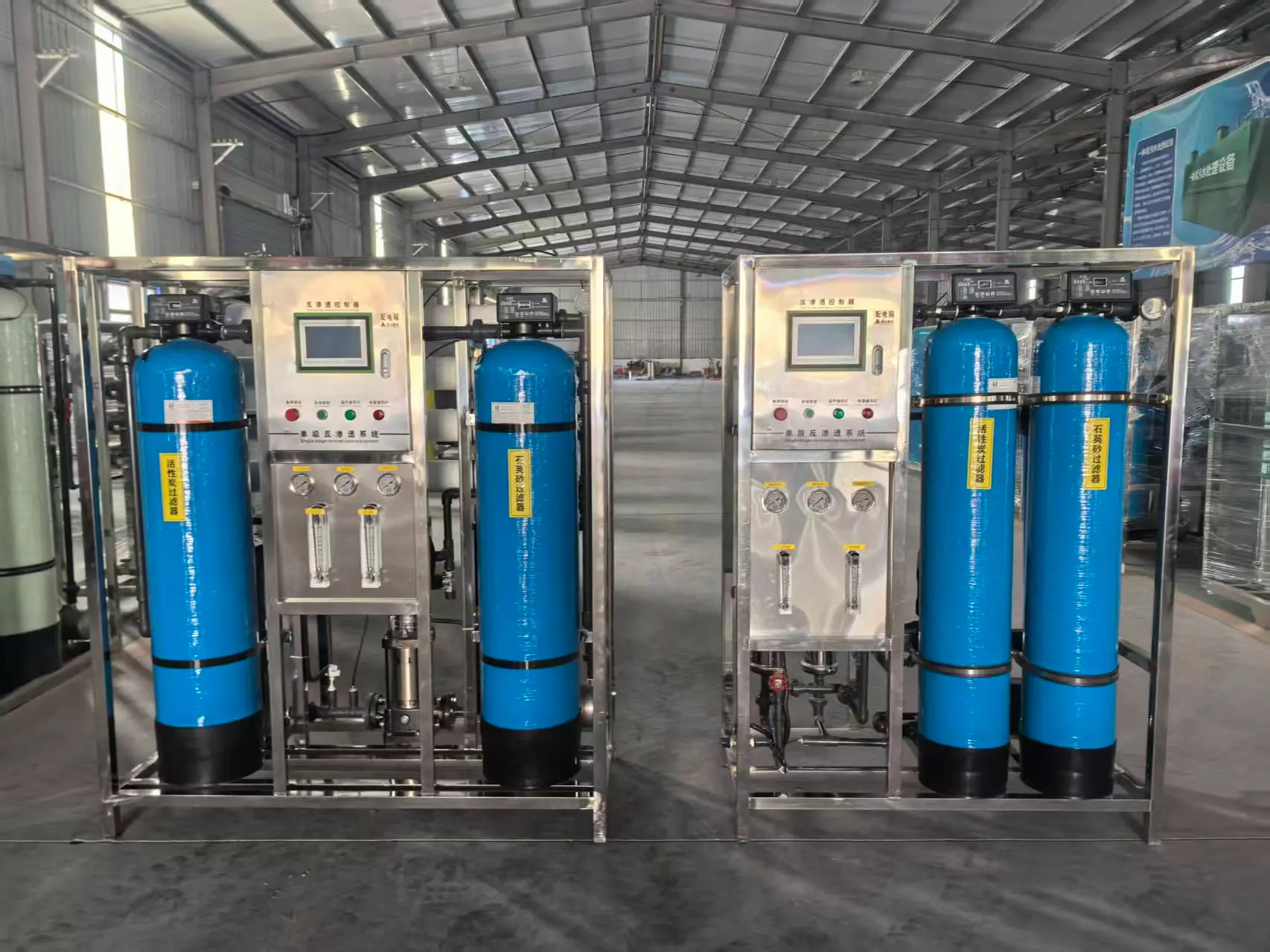
At QJ Water Treat, with over 15 years of manufacturing experience, we design and build commercial and industrial water treatment systems. From GAC pre-treatment to high-rejection RO systems, we help global B2B buyers meet the strictest safety standards.
👉 Contact our engineering team today to discuss your water treatment requirements!