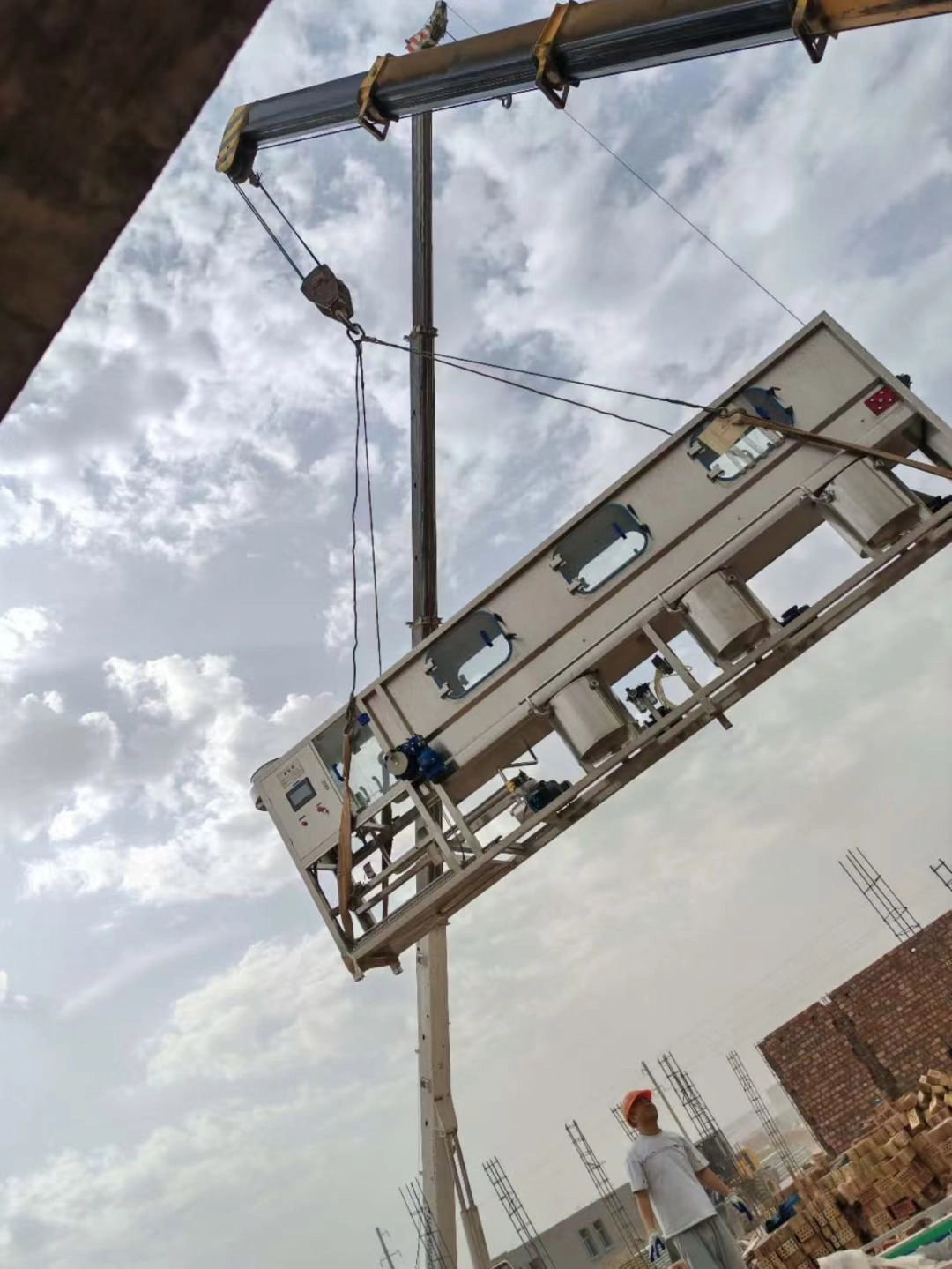
Central Asia faces a severe water crisis. Due to an arid climate and over-extraction of surface water, industries and municipalities are increasingly forced to rely on deep underground brackish water.
However, treating this water is a highly complex engineering challenge. In this article, we explore the characteristics of Central Asian brackish water and share a real-world success story from an industrial water treatment project in Shymkent, Kazakhstan.
The Status Quo: What Makes Central Asia's Water So Difficult?
Based on extensive field data across Central Asia (including Kazakhstan and Uzbekistan), brackish groundwater presents several extreme characteristics:
Massive TDS Fluctuations: Total Dissolved Solids (TDS) can range from 1,000 mg/L to over 10,000 mg/L, with some extreme wells reaching 21.9 g/L.
High Sulfates and Hardness: Sulfate concentrations often approach 2,000 mg/L, and total hardness can hit 14 mEq/L. This creates a severe risk of calcium sulfate scaling.
Complex Contaminants: Elevated levels of fluoride, iron, manganese, and nitrates are frequently present.
Extreme Climate: Winters in Kazakhstan can drop to -40°C, requiring all equipment to be heavily insulated and freeze-protected.
Engineering Challenges in Treatment
To treat this complex water, standard RO (Reverse Osmosis) systems are not enough. Engineers must overcome:
Scaling and Fouling: High hardness and sulfate levels drastically reduce the safe recovery rate of the RO system. Advanced pre-treatment (such as sodium softening or precise antiscalant dosing) is mandatory.
Corrosion and Cold: The combination of high salinity and extreme cold demands the use of corrosion-resistant materials (like Duplex 2205) and robust electrical enclosures (IP65 or higher) to survive salt-dust storms and freezing nights.
Case Study: Industrial RO Project in Shymkent, Kazakhstan
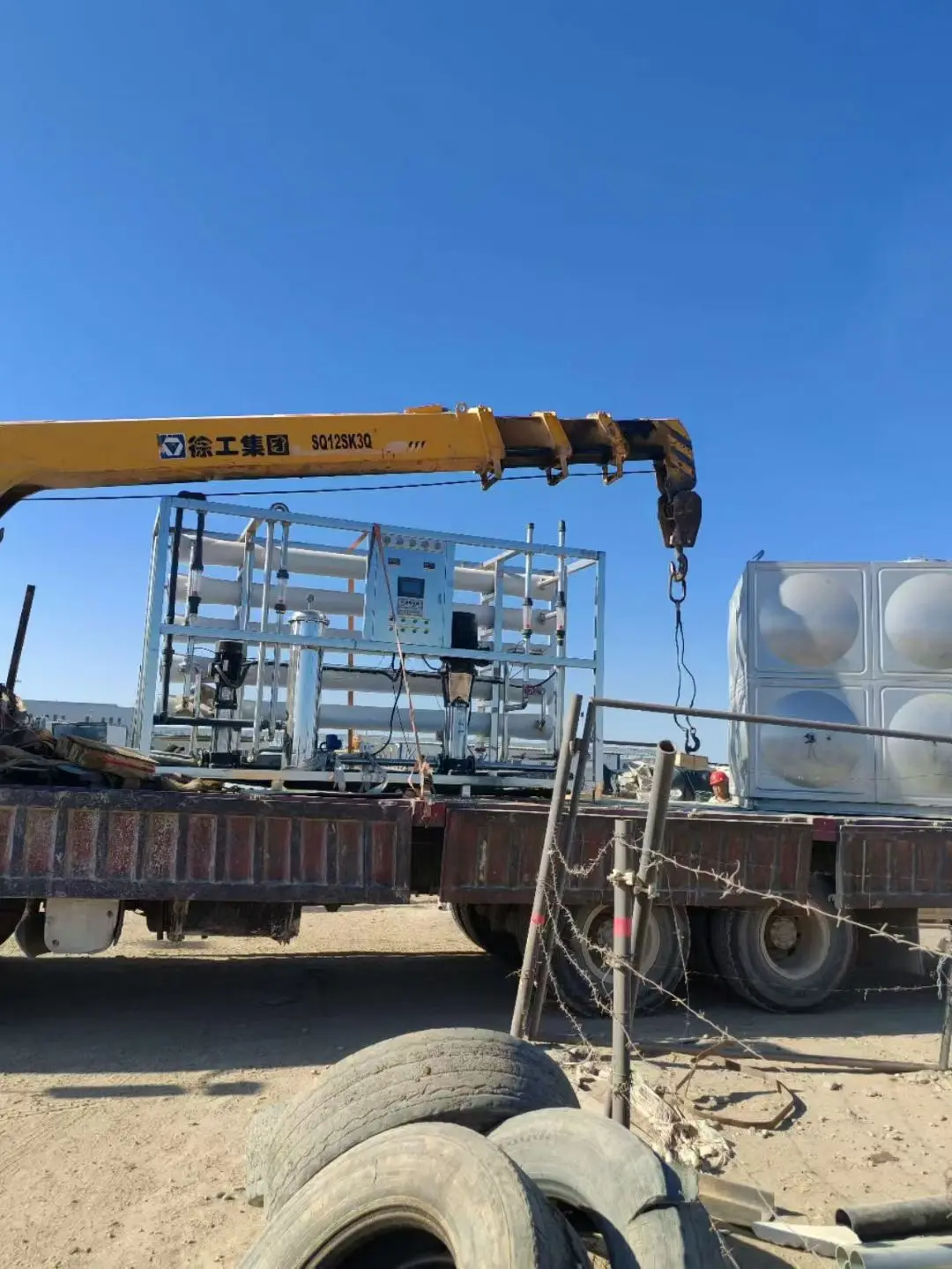
When a major industrial client in Shymkent, Kazakhstan, required a reliable water supply for their production lines, they faced the exact challenges mentioned above. The local groundwater had high TDS and severe hardness.
QJ Water Treat's Solution:
Our engineering team designed a customized, high-recovery Industrial Brackish Water RO System.
Customized Pre-treatment: We integrated a specialized multimedia filtration and chemical dosing system to manage the high hardness and remove heavy metals before they could foul the membranes.
Heavy-Duty RO Skid: The core system utilizes high-pressure pumps and fouling-resistant RO membranes, configured for optimal salt rejection despite the high TDS.
Cold-Climate Protection: All piping, valves, and control cabinets were equipped with thermal insulation and electric heat tracing to ensure 24/7 stable operation during the harsh Kazakh winter.
The project was successfully commissioned and has been operating flawlessly, providing high-quality purified water for the client's industrial processes.
Partner with QJ Water Treat
From the harshest deserts to freezing Central Asian winters, QJ Water Treat specializes in custom-engineered water treatment systems. Whether you are dealing with high-TDS brackish water, seawater, or complex wastewater, we have the technical expertise to deliver.
👉 Contact our engineering team today to discuss your Central Asia water project!